
Lighting Your Home Like a Designer: The Importance of a Layered Lighting Plan

Lighting can transform a room. It highlights architectural details, creates atmosphere, enhances finishes, and shapes how comfortable a space feels throughout the day. Yet people often treat lighting as a finishing touch rather than an essential part of the interior design process.
In a thoughtfully designed home, designers plan lighting alongside the architecture, furnishings, and finishes. The goal is to create a balanced environment that is both beautiful and functional, with the flexibility to accommodate everything from everyday activities to entertaining.
Here are several ways to approach lighting like a designer.
Start With Ambient Lighting
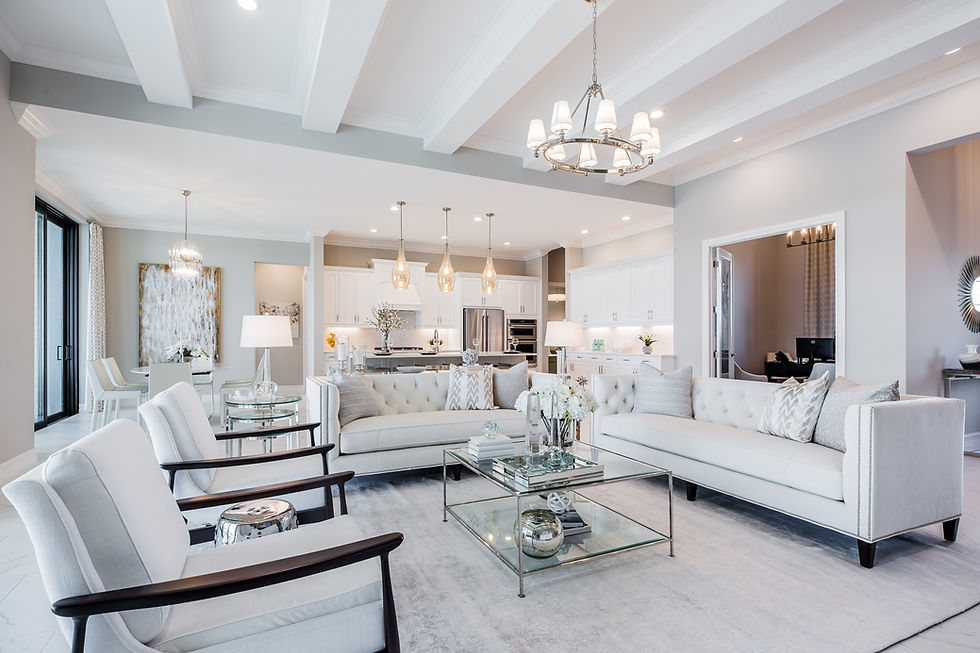
Ambient lighting provides the overall illumination for a room. It establishes the foundation for the lighting plan and helps create a comfortable level of brightness. Depending on the space, ambient lighting may include recessed ceiling fixtures, chandeliers, pendants, or other ceiling-mounted fixtures. Consider the room as a whole rather than relying on a single central fixture to light every corner. For example, in a living room, recessed lighting can provide general illumination while a decorative chandelier or statement fixture adds visual interest. Together, they create a more considered look than either source could achieve alone.
Add Task Lighting Where It Matters
Task lighting provides focused illumination for specific activities. In the kitchen, this might include under-cabinet lighting that illuminates countertops. In a home office, a desk lamp can provide additional light for reading or working. In a bathroom, well-placed vanity lighting provides useful illumination for daily routines. Plan task lighting around how each room will be used. Considering these needs early is especially important during new construction or renovation, when you can coordinate electrical locations with cabinetry, furniture layouts, and architectural details.
Use Accent Lighting to Highlight Design Features
Accent lighting draws attention to specific elements within a room. It can highlight artwork, illuminate architectural niches, emphasize textured wall finishes, or create visual depth around shelving and built-ins. This lighting adds dimension by creating areas of emphasis rather than evenly illuminating every surface. For homes with custom millwork, stone features, or distinctive architectural details, carefully positioned accent lighting can make these elements even more impactful.
Choose Decorative Fixtures With Purpose
Chandeliers, pendants, sconces, and table lamps add personality to a room. They can serve as sculptural focal points, complement the architecture, or introduce contrasting materials or finishes.
When selecting decorative lighting, consider scale, proportion, placement, and the surrounding furnishings. A chandelier should relate appropriately to the room size and the furniture beneath it. Position pendant lights to suit the activity below them, and use wall sconces to add decorative interest and functional illumination. The most successful fixtures feel connected to the overall design rather than competing with it.
Consider Color Temperature and Dimmers
Light quality matters as much as the fixture itself.
Different light sources can make paint colors, fabrics, wood finishes, and stone appear noticeably different. Consistent fixtures help create a cohesive atmosphere, while the right color temperature supports each space's mood. Dimmers also provide valuable flexibility. A dining room may require brighter illumination during a family gathering but a softer atmosphere for an intimate dinner. A living room may need different lighting levels for reading, entertaining, or relaxing in the evening.
The Kelvin temperature of your Bulb or LED Driver will provide different lighting "colors". We prefer using 2700K (warm white/daylight) color bulbs. Planning for these adjustments makes a home more adaptable to everyday life.
Make Lighting Part of the Overall Design Plan
Lighting decisions affect far more than a ceiling's appearance. They influence electrical plans, furniture placement, architectural features, and the way finishes are experienced. At Distinctive Interiors, we treat lighting as part of the larger design process. Our services may include fixture selection, lighting schedules, and drawings coordinated with the builder and electrician. This level of planning helps ensure that lighting supports the entire interior, from the overall atmosphere to the smallest functional details.
The Finishing Touch That Changes Everything
Beautiful lighting is rarely about a single spectacular fixture. It comes from combining ambient, task, accent, and decorative lighting in a way that feels natural and intentional. Whether you are building a new home, renovating an existing space, or refreshing a single room, a well-developed lighting plan can bring greater depth, comfort, and sophistication to your interiors.
Ready to rethink your home's lighting? Contact Distinctive Interiors to discuss a personalized design approach for your space.


Comments